
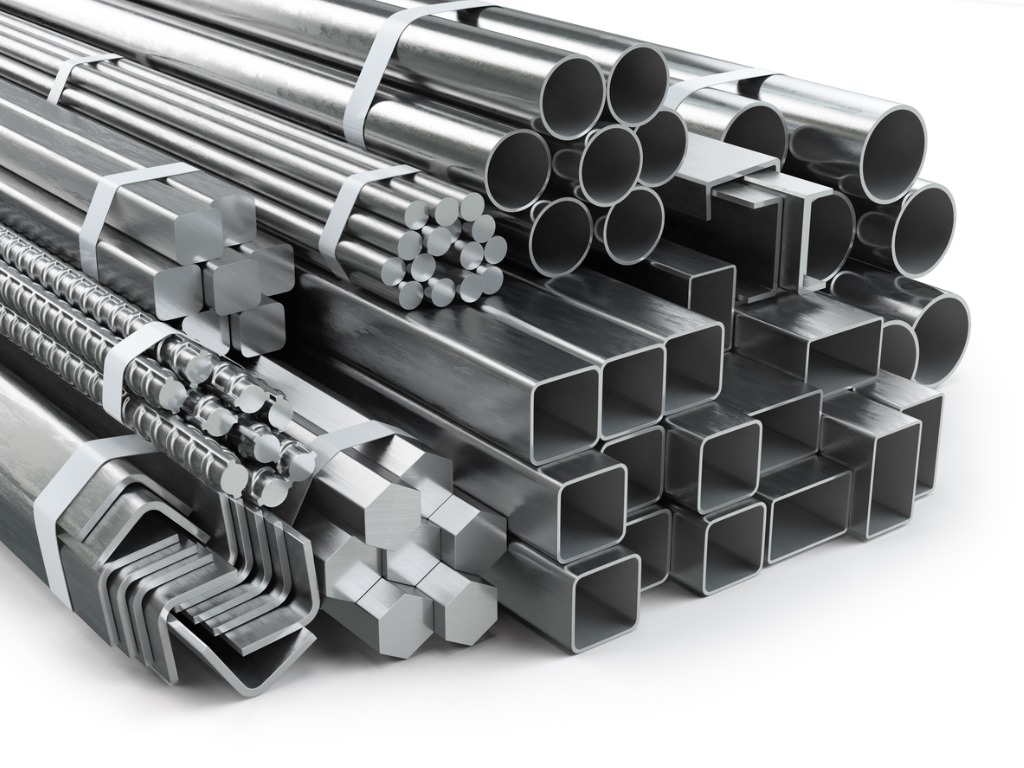
When sourcing metal materials from different countries, it’s important to understand that even though the metric system is universally used, there are regional differences in the standard dimensions of materials, particularly in sheet metal, bars, and tubes. For example, while an Australian manufacturer may specify a metal thickness of 2mm, materials sourced from countries like China may be produced with a thickness of 2.2mm or other slight variations according to their local market’s demand.
These small differences in dimensions all adds up and can have a significant impact on the design and production process. Even a fraction of a millimeter can cause challenges when components need to fit together precisely, especially in industries where tight tolerances are critical. When working with materials from countries like China, the commonly produced dimensions might slightly deviate from Australian industry standards, potentially leading to challenges in achieving the desired fit or increasing the likelihood of needing additional adjustments.
Furthermore, a small change in thickness could have ripple effects throughout the production process. For example, if one part is slightly thicker than expected, this could require customization of jigs and fixtures to accommodate the new dimensions. It could also necessitate adjustments in welding procedures, welding speed to ensure that the welded joints maintain their integrity. Additionally, the increased thickness could impact the way the material is cut or shaped, requiring recalibration of equipment or adjustments to assembly processes.
Alongside these logistical adjustments, the slight variation in material dimensions can also affect the strength and durability requirements of the final product. A change in thickness can alter the load-bearing capacity, flexibility, and overall performance of the material. This means that even small variations can impact the structural integrity of the finished product. As a result, these adjustments may require changes to the design, testing, or quality control processes to ensure that the final product meets the required strength and durability standards.
At Arch Industry, we manage these variations by closely monitoring the sourcing process and ensuring that any discrepancies in material dimensions are carefully accounted for. Through custom fabrication, jig design adjustments, and optimized production processes, we ensure that every component adheres to the client’s specifications, mitigating potential issues and maintaining high levels of precision, strength, and quality.
 ARCH INDUSTRY